Tuckpointing: Necessary Techniques for Strengthening Brick Masonry Integrity
Tuckpointing is an crucial process in maintaining the structural integrity of brickwork. It involves fixing and bolstering the mortar joints, which are important for durability. Ignoring signs of wear can lead to more serious issues, including water damage. Understanding the techniques and tools necessary for efficient tuckpointing is imperative. As the explanation unfolds, the significance of proper maintenance and common pitfalls will become apparent. What should one consider before starting such a project?
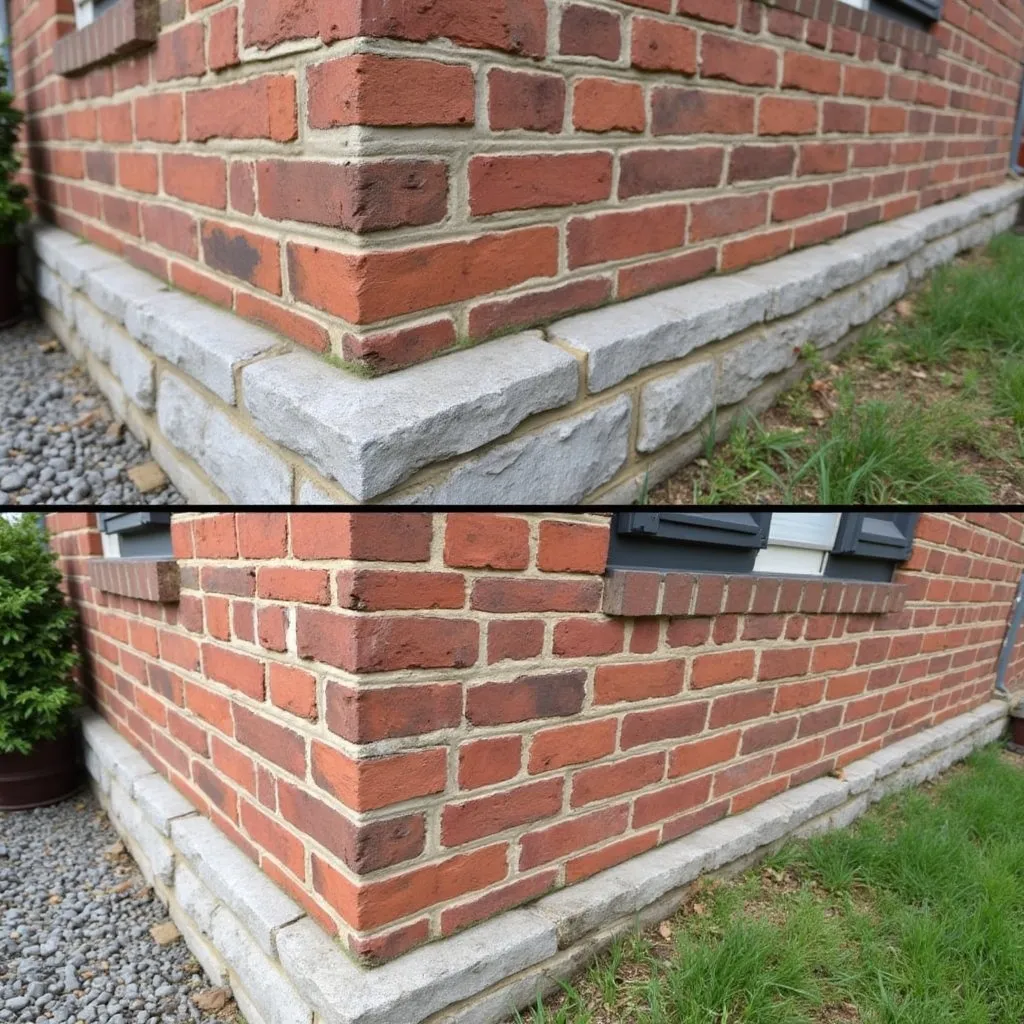
Symptoms Your Brickwork Demands Joint Repair
Brickwork deterioration can often be understated, making it easy to overlook vital upkeep needs. Homeowners should remain vigilant for specific signs suggesting that tuckpointing may be required. One notable indicator is the presence of cracks in the mortar joints, which can undermine the structure's integrity. Additionally, discoloration or crumbling mortar may signal that water is seeping into the brickwork, leading to further damage. Efflorescence, a white, powdery substance on the surface, often signifies moisture issues and can suggest that tuckpointing is required. Another alert sign is the presence of moving or loose bricks, which can indicate severe deterioration. Finally, if water infiltration is observed during heavy rainfall, it is important to address the underlying issues promptly. Recognizing these signs early can prevent more extensive repairs and extend the lifespan of the brickwork, ensuring the structure remains safe and appealing.
What Constitutes Tuck Pointing and What Makes It Important?
Tuckpointing is a expert bricklaying technique that includes fixing and renewing the mortar joints between bricks. This method is essential for maintaining the structural integrity of brickwork, as deteriorating mortar can cause water infiltration, mold growth, and additional deterioration. By meticulously extracting damaged mortar and substituting it with a fresh compound, tuckpointing not only enhances the appearance of brick structures but also extends their lifespan.
Homeowners and building managers ought to value tuckpointing because it acts as a protective measure against expensive maintenance ahead. Neglecting indicators of deterioration may cause severe structural problems, thereby undermining the safety and beauty of your building. Frequent tuckpointing safeguards the worth of brick structures and guarantees they stay resilient against environmental elements. Understanding this approach remains important for people invested in the long-term viability of their masonry installations.
Essential Equipment and Supplies for Effective Tuckpointing
Proper tuckpointing requires particular tools and materials to assure success and durability. Essential tools include a plastering trowel, which is vital for applying mortar, and a jointer, employed to shape the mortar joints. A brick hammer is also beneficial for removing damaged mortar and adjusting bricks as needed. Additionally, a mortar mixer ensures a uniform blend for peak adhesion.
When considering materials, high-quality mortar is essential, typically a mix that matches the original brickwork for visual appeal and structural compatibility. A mortar bag with a nozzle aids in accurate placement, while a pointing tool helps to finish the joints smoothly. Safety gear, including gloves and goggles, is required to protect against particles and dust. Finally, a wire brush can clean surfaces before application, ensuring a strong bond between old and new mortar. Together, these tools and materials enhance the tuckpointing process, promoting the longevity of the brickwork.
Instructions for Repointing Your Brick Construction: A Thorough Resource
Revitalizing deteriorating masonry begins with a systematic approach to tuckpointing. First, the area to be repaired should be thoroughly cleaned, removing old mortar and debris using a chisel or grinder. This ensures proper adhesion for new materials. Next, the technician mixes a compatible mortar, taking into account color and texture to match the existing brickwork.
When the mortar attains the right composition, it gets installed to the joints using a tuckpointing tool. Careful attention should be directed to complete the joints entirely, ensuring no gaps remain. Following application, the mortar is molded to match the original profile of the joint, often using a pointing trowel or jointer for accuracy.
Finally, the newly repointed joints should be allowed to cure properly, typically covered with a damp cloth to prevent rapid drying. This systematic approach not only improves the visual appearance but also fortifies the structural integrity of the brickwork.
Standard Blunders to Evade During Tuckpointing
During tuckpointing, various common blunders can damage the quality of the work. Overlooking atmospheric conditions, choosing the wrong type of cement mix, and neglecting substrate readiness are critical faults that can cause poor results. Understanding of these pitfalls is crucial for achieving sturdy and visually appealing brickwork.
Disregarding Climate Factors
Although it might seem tempting to proceed with tuckpointing regardless of weather conditions, this oversight may cause serious problems. Adverse weather, including rain, extreme heat, or freezing temperatures, can damage the effectiveness of mortar and the overall integrity of the repair. For example, moisture can degrade mortar adhesion and cause premature deterioration. Likewise, applying mortar in high heat can result in rapid drying, which prevents proper curing. Cold temperatures can impede the setting process, raising the chance of cracks and failures. Therefore, it is important to check weather forecasts and select optimal conditions for tuckpointing. By honoring the elements, one can ensure a long-lasting and effective repair of brickwork, thereby preserving the structure’s integrity.
Inadequate Grout Determination
A routine oversight in tuckpointing is the determination of an incorrect mortar mix, which can weaken the repair's efficacy. The mortar used must match the original in composition, color, and texture to guarantee compatibility with the existing brickwork. Using a mix that is too hard, such as Portland cement, can trap moisture and cause decline, while an overly soft mix may not offer adequate support. Additionally, neglecting the specific climate-related factors, such as freeze-thaw cycles, can cause further damage. Tuckpointers must also avoid using pre-mixed mortars that lack the essential flexibility and durability. Proper mortar selection is essential for preserving structural integrity and achieving a visually appealing finish in tuckpointing projects.
Overlooking Surface Preparation
Neglecting base preparation drastically reduces the performance of tuckpointing. Many individuals fail to appreciate the importance of cleaning and evaluating the brickwork before beginning the tuckpointing process. Not removing old mortar, dirt, and debris leads to poor sticking of the new mortar, causing an unstable repair. Additionally, skipping the examination of the brick condition might conceal underlying issues, such as moisture penetration or structural damage. Such an oversight will eventually result in further deterioration, negating the benefits of the tuckpointing work. Proper surface preparation guarantees the new mortar bonds securely and enhances the overall durability of the repair, making it vital for achieving long-lasting outcomes in brickwork restoration.
Guide to Preserving Your Tuckpointed Brickwork for Long-lasting Performance
To ensure the durability of tuckpointed brickwork, regular inspections are crucial to detect potential issues early. Cleaning should be handled with caution to avoid damaging the mortar or bricks. Additionally, timely repair methods can prevent minor problems from progressing into significant structural damage.
Routine assessments essential
Regular check-ups play an essential role in maintaining the durability of tuckpointed brickwork, as they help detect potential problems before they escalate. Property owners should perform these inspections at least twice a year, focusing on mortar joints, brick integrity, and signs of water damage. Watch out for cracks, crumbling mortar, or discoloration, which may indicate underlying problems. Additionally, inspecting vegetation growing in cracks can help prevent further damage. Documenting findings will assist in tracking changes over time, making it easier to resolve issues promptly. If any concerns arise during inspections, consulting a professional can provide expert guidance on necessary repairs. By prioritizing regular inspections, the durability and aesthetic appeal of tuckpointed brickwork can be preserved for years to come.
Maintain Using Care
To keep the appearance and integrity of tuckpointed brickwork intact requires detailed cleaning techniques that prevent damage while improving its visual quality. Brick surfaces are porous and tend to absorb moisture and contaminants, which makes gentle cleaning methods necessary. Using soft-bristle brushes and mild detergents is ideal for removing dirt and grime without injuring the mortar or bricks themselves. High-pressure washing should be avoided, as it can erode mortar joints and compromise structural integrity. Additionally, acidic cleaners can harm the brick’s surface and cause discoloration. Cleaning on a regular schedule, ideally during dry seasons, helps reduce the buildup of pollutants. By following these careful cleaning methods, homeowners can extend the durability of their tuckpointed brickwork and preserve its aesthetic appeal.
Quick Fix Techniques
Prompt response to all indications of wear and tear or issues in tuckpointed brickwork is fundamental for keeping its longevity and appealing look. Homeowners should regularly check joints for cracks, crumbling mortar, or discoloration, which may signal dampness or framework pressure. When repairs are required, using a compatible mortar mix assists in keeping the initial visual and structural health. It is essential to confirm that the fixing material aligns with the existing mortar in tone, surface quality, and makeup. Moreover, protecting the repaired zones can guard against water intrusion and stop additional deterioration. Routine upkeep, including washing and repointing, will boost the lasting quality of tuckpointed brickwork, ensuring it stays aesthetically pleasing and solid for long periods.
Often Posed Questions
How Far Does Tuckpointing Normally Last After Finishing?
Tuckpointing commonly lasts 10 to 30 years in duration, influenced by variables including environmental conditions, the caliber of materials employed, and the expertise of the installation. Regular maintenance can extend its durability significantly.
May I Tuckpoint Over Pre-existing Mortar Joints?
Yes, tuckpointing can be executed over present mortar joints. However, it's important to ensure the joints are structurally sound and matching information devoid of substantial wear or breakdown to reach the best results and longevity.
Is Tuckpointing Appropriate for All Types of Brick?
Tuckpointing may not be ideal for every brick variety. It works best on soft, clay bricks whereas tougher substances might demand alternative approaches. Analyzing the brick type guarantees optimal results and longevity of the repair.
Which Weather Conditions Are Most Suitable for Tuck Pointing?
Ideal environmental circumstances for tuckpointing include dry, mild temperatures, typically between 50°F and 80°F. Steering clear of rain, extreme heat, or freezing temperatures guarantees correct setting and bonding of the mortar, enhancing the effectiveness of the repair.
How Much Does Professional Tuckpointing Price on Average?
On average, expert tuckpointing costs between $3 and $10 per square foot, depending on multiple factors such as location, job difficulty, and the contractor's experience. Extra charges may be incurred for significant repairs.